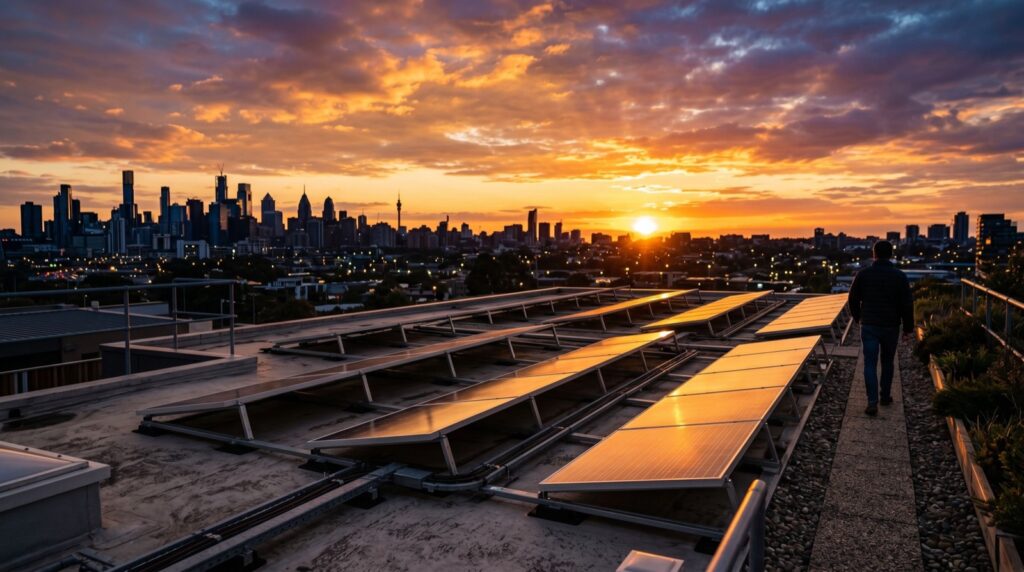
Booking professional solar installation in Lahore is one of the fastest ways to beat rising electricity costs in 2026. The city’s long, sunny days and mature net-metering framework make rooftop solar exceptionally productive here. Yet Lahore’s dense housing, dust, and summer heat create unique installation challenges that only a seasoned local crew handles well. This guide explains what a quality install looks like, how much you can save, and how to prepare your rooftop for maximum yield.
From choosing the right tilt for Lahore’s latitude to navigating LESCO’s net-metering process, the details matter. Read on for a practical, experience-driven roadmap that helps you commission a system built to last.
Why Lahore Is Ideal for Rooftop Solar
Lahore averages more than 300 sunny days a year, giving rooftops abundant generation potential. High daytime temperatures do reduce panel efficiency slightly, but proper airflow beneath the modules and heat-tolerant equipment offset most of that loss.
The city’s steep tariff slabs mean solar pays back fast. Data from the International Energy Agency shows South Asian rooftop solar delivering some of the quickest payback periods globally, thanks to strong irradiance paired with rising grid prices.
Local Factors a Good Installer Manages
- Dust and smog buildup that demands accessible cleaning access.
- Heat management through proper module spacing and ventilation.
- Monsoon waterproofing at every roof penetration.
- Compact urban roofs that require high-efficiency panels.
What Does a Professional Installation Include?
A complete install goes far beyond bolting panels to a roof. It starts with a structural and shade survey, followed by electrical load analysis and a tailored system design. Then comes mounting, DC and AC wiring, inverter setup, earthing, and full commissioning with documented test readings.
Expert crews handling solar installation in Lahore also manage your net-metering application end to end, so you avoid the paperwork delays that frustrate DIY buyers. That local knowledge is invaluable when timelines and approvals are on the line.
Installation Timeline at a Glance
| Stage | Typical Duration | What Happens |
|---|---|---|
| Site survey | 1 day | Roof, shade & load assessment |
| Design & quote | 2–4 days | System sizing and proposal |
| Physical install | 1–3 days | Mounting, wiring, commissioning |
| Net metering | 2–6 weeks | Application and meter changeover |
Steps to Prepare Your Rooftop
- Clear the roof of clutter and note any water tanks that cast shade.
- Repair cracks or waterproofing issues before panels go up.
- Gather twelve months of electricity bills for accurate sizing.
- Confirm your meter and connection details for the net-metering form.
- Decide whether you want battery backup for outages.
Preparing in advance shortens the install window and prevents surprises. A tidy, sound roof also extends the life of your mounting hardware and reduces future maintenance costs.
Expanding Beyond Lahore: Regional Options
Many families own property in more than one city, and solar decisions often span regions. If you also manage a home in the twin cities, professional solar panels in Rawalpindi deliver the same certified hardware and net-metering support with crews attuned to the local grid. Coordinating both projects with one provider simplifies warranties and monitoring. Homeowners comparing contractors across cities frequently rely on quality service providers to keep standards consistent everywhere.
Handling Dust, Smog, and Cleaning in Lahore
Lahore’s air carries heavy dust and seasonal smog that settle on panels and reduce output if left unchecked. A visible layer of grime can shave several percent off generation, quietly eroding your savings across the year. Regular cleaning is therefore not optional here — it is part of protecting your investment.
Most homeowners clean panels two to four times a year, with extra attention after dust storms and before the winter smog season. Use soft brushes and clean water early in the morning or late in the evening to avoid thermal shock. A good installer positions panels for safe, easy access so cleaning never becomes a hazard.
Some households add automated cleaning systems or hydrophobic coatings for hard-to-reach rooftops. While optional, these upgrades pay off on tall or steep roofs where manual cleaning is impractical. Discuss access and maintenance during the design phase rather than after installation.
Choosing Between On-Grid, Off-Grid, and Hybrid Systems
Your system type shapes both cost and resilience. On-grid systems are the cheapest and pair perfectly with net metering, but they shut down during outages for safety. Off-grid systems run independently with large battery banks, suiting remote sites without reliable supply.
For most Lahore homes, a hybrid system offers the best balance. It exports surplus through net metering while keeping essential loads running during load shedding.
- On-grid: lowest cost, maximum net-metering savings, no outage backup.
- Hybrid: net metering plus battery backup for critical loads.
- Off-grid: full independence, higher battery cost, ideal for remote plots.
Costs, Savings, and Return on Investment
A typical 5 kW Lahore home system offsets the bulk of a mid-tier household bill and pays for itself within three to five years. Larger 10 kW arrays suit villas and small offices, exporting surplus units through net metering for additional credit.
Over a 25-year lifespan, the cumulative savings far exceed the upfront cost, especially as tariffs keep rising. Financing options from several banks let you start saving immediately while paying in installments.
To picture the return concretely, imagine a Lahore household paying a steep monthly bill during summer. A correctly sized system can wipe out the bulk of that charge, and the difference compounds every year that grid prices climb. Beyond the payback point, the electricity your roof produces is effectively free, turning your home into a long-term hedge against inflation.
Businesses see the benefit even faster, because their heavy daytime consumption aligns perfectly with peak solar generation. A shop or office that runs air conditioning and equipment through the afternoon uses solar power exactly when the panels produce most, maximizing self-consumption and shortening payback further.
Frequently Asked Questions
How much roof space do I need in Lahore?
Plan for roughly 100 square feet per kilowatt with high-efficiency panels. A 5 kW system therefore needs around 450–500 square feet of unshaded, south-facing roof.
Does summer heat reduce solar output?
High temperatures lower panel voltage slightly, but Lahore’s long daylight hours more than compensate. Proper ventilation and heat-tolerant modules keep losses minimal.
How long is the net-metering process?
After installation, LESCO net-metering approval and meter replacement typically take two to six weeks. A professional installer handles the documentation to avoid rejections and delays.
Can I add batteries later?
Yes. If you choose a hybrid-ready inverter now, you can add battery storage later to keep essential loads running during outages without redesigning the system.
Conclusion: Power Your Home the Lahore Way
Reliable solar installation in Lahore turns intense sunshine into serious long-term savings and independence from an unpredictable grid. Choose a certified local crew, prepare your rooftop, and let experts manage the net-metering process from start to finish. Book your free site survey today and start generating clean, affordable energy that pays you back for decades.